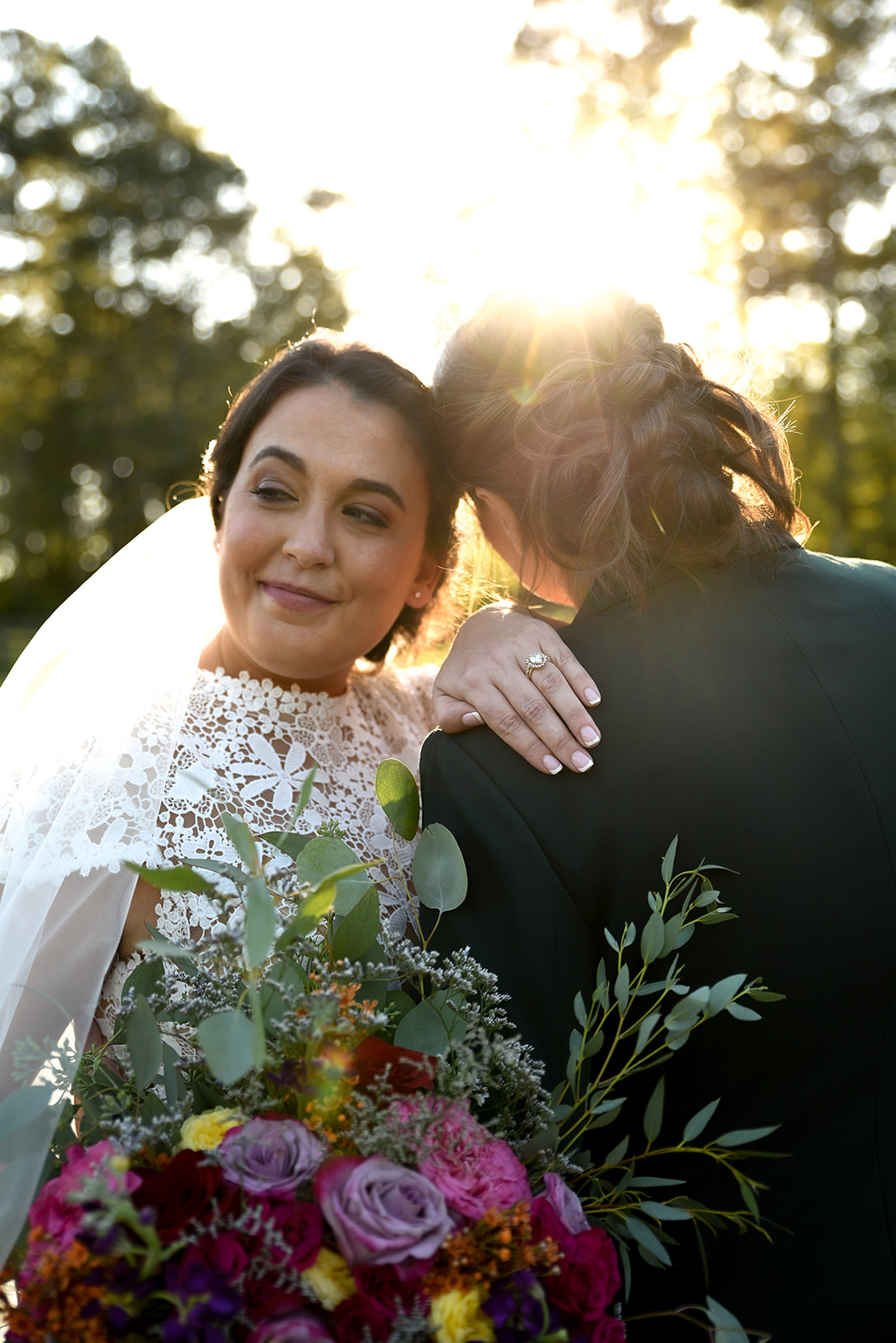
Resaca, GA Wedding Photography — When a Small Georgia Town Delivers Big Photo Moments
Resaca is the kind of place that doesn’t try to impress anyone. It sits quietly in Gordon County, just south of Calhoun along the Oostanaula River, and it goes about its business without making claims. But the land here, and the light that falls on it, tell a different story entirely.
I’ve driven through Resaca more times than I can count — it’s practically in my backyard, just a few miles south of Calhoun on US-41 — and every time, the river bottomland and the open fields along the Oostanaula do something to me photographically. The town is small and unassuming, a community of a few hundred people with deep roots in Gordon County going back well before the Civil War. The Battle of Resaca was fought here in May 1864, part of the Atlanta Campaign, and the Resaca Confederate Cemetery — one of the first Confederate cemeteries established in Georgia — still sits on the edge of town, maintained with a quiet dignity that mirrors the town’s own character. History sits closer to the surface in Resaca than in most places, but it doesn’t announce itself. You have to be paying attention to feel it, and when you do, it adds a layer to everything you photograph in the surrounding landscape. The Oostanaula River itself runs wide and unhurried through the bottomland below town, and the views from the higher fields looking south across the river valley — with the tree line in the distance and the sky opening up above — are the kinds of views that don’t exist further south in Georgia’s flatter counties. This is still hill country, still the southern edge of the Valley and Ridge, and the topography gives photographs a depth of field that flat ground simply cannot provide.
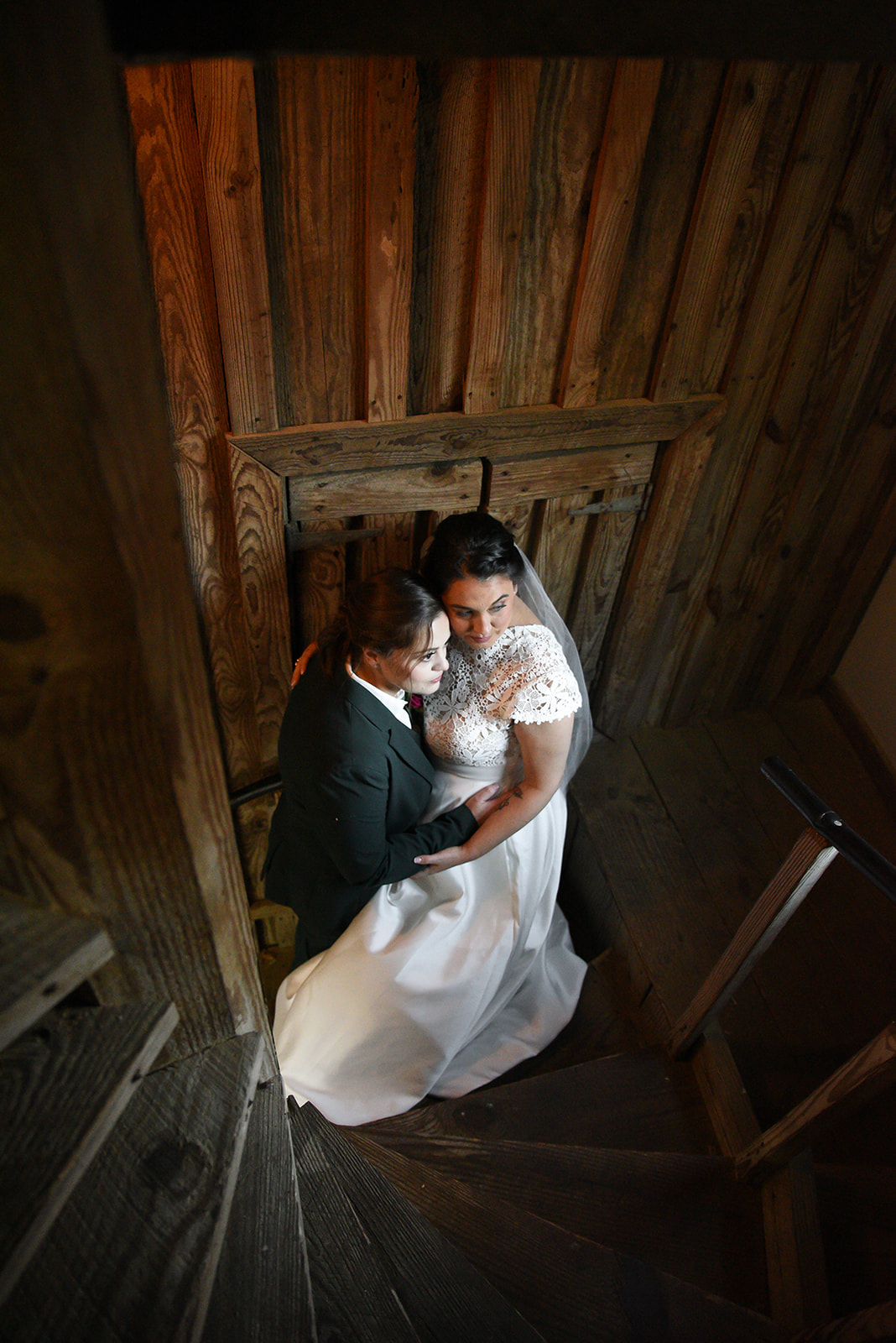
Why Small Towns Photograph Bigger Than They Are
There is a counterintuitive truth about small-town wedding photography that I’ve observed over years of working in communities like Resaca: the smaller the town, the bigger the moment. This sounds backwards, but it holds. In a large-venue wedding near a city, the ceremony and reception exist within an infrastructure built specifically for weddings — caterers who have worked the space dozens of times, venues with professionally lit spaces, landscapes manicured for photographs. There is nothing wrong with any of this. But it produces a certain sameness, a visual language that the wedding industry has refined to the point of interchangeability. In Resaca, on a private farm property along the river road or in a field that belongs to someone’s family, none of that infrastructure exists. The wedding is being made from scratch, out of a specific landscape and a specific set of people who know each other, and the result is something that could not have been made anywhere else on that day. The photographs carry that specificity. A reception in a field outside Resaca, with the river in the distance and the hay bales still in the field because the farmer hasn’t moved them yet, looks like nowhere else. Those details are not staging — they’re the actual world, and the actual world photographs better than any dressed set, given a good eye and the right light.
The light in the Resaca area has a particular quality I want to describe carefully, because I think it matters for couples making venue decisions. The Oostanaula River bottomland is lower than the surrounding fields, and the moisture in the river valley creates a slight atmospheric haze on warm afternoons that softens shadows in a way that would be difficult to produce artificially. It’s not fog — it’s closer to what photographers call “atmospheric perspective,” the slight softening of distant objects that creates a sense of depth and scale. In photographs, this translates as a romantic, slightly luminous quality in the background while the foreground subjects remain sharp. I don’t manipulate this in post-processing — it’s just there, a gift of the geography, and it makes portraits taken in the Resaca bottomland look different from portraits taken almost anywhere else in Gordon County. Spring and early fall are when this effect is most pronounced. Late April through May, when the river is running and the trees along the bank are fully leafed, is one of my favorite times to work in this area.
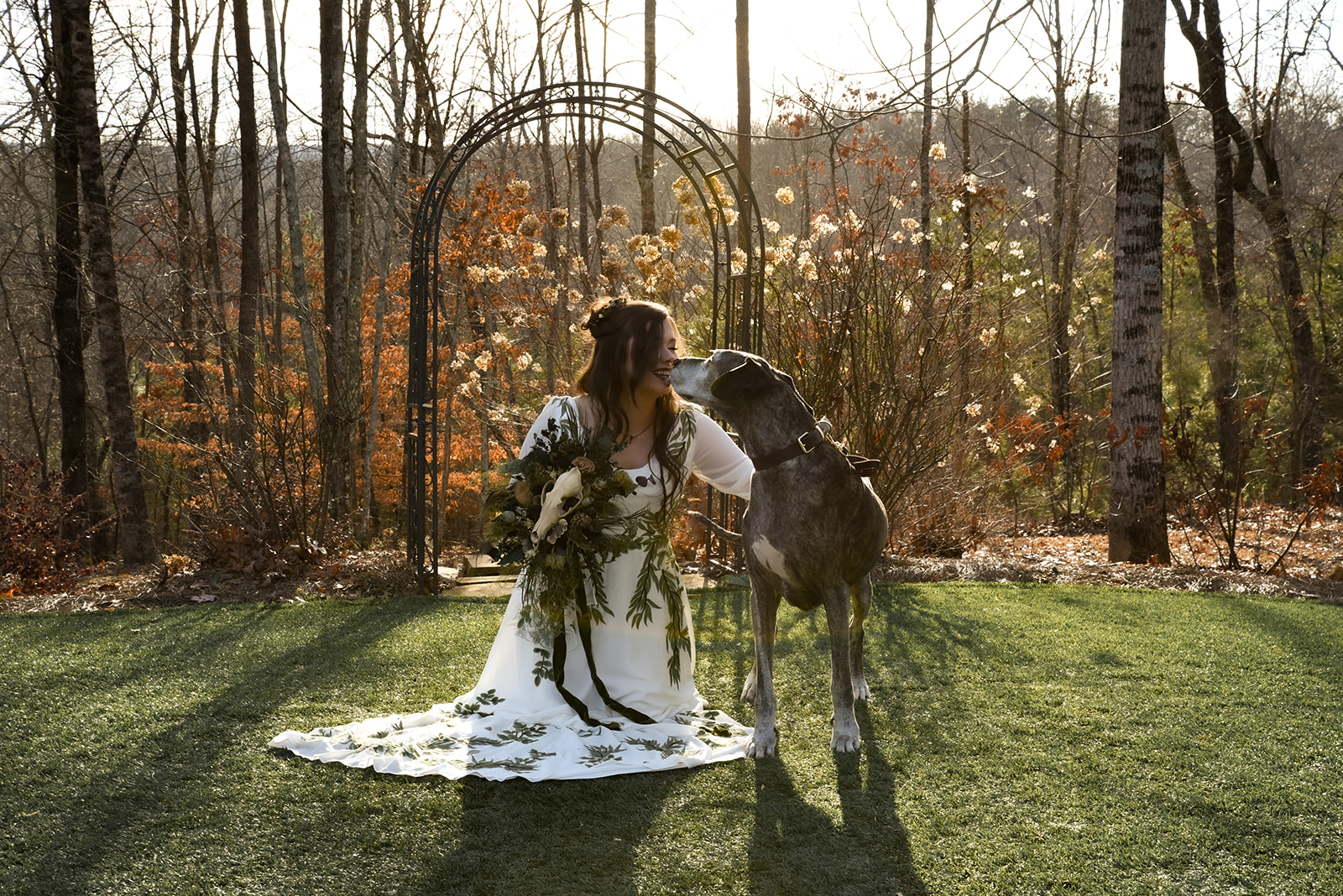
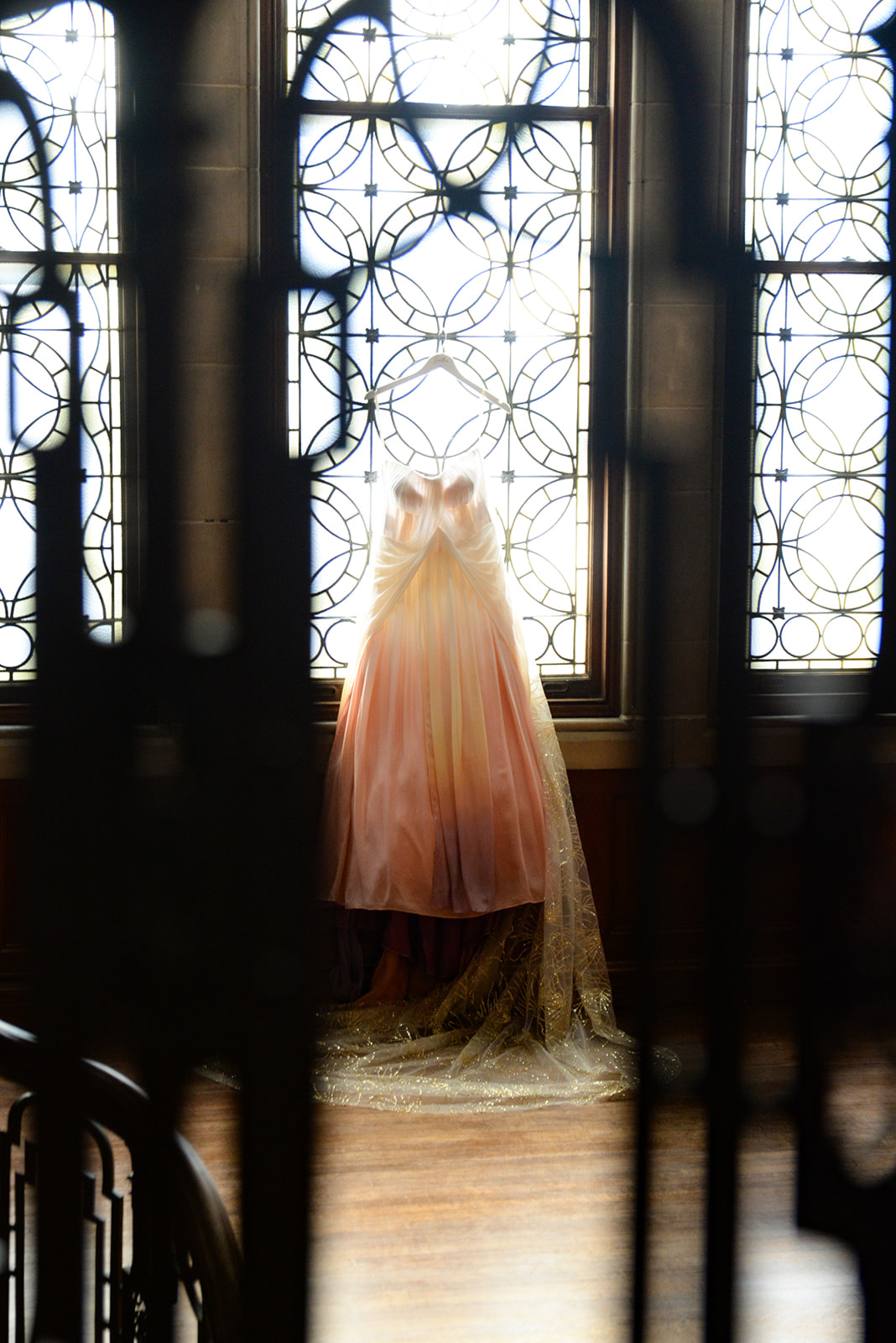
The Confederate Cemetery and the Question of Sacred Ground
I want to address the Confederate cemetery directly, because it comes up whenever I talk about Resaca with couples who don’t know the area. The Resaca Confederate Cemetery is a historical site maintained by the Georgia Division of the United Daughters of the Confederacy, and it is, simply, one of the most solemn and beautifully maintained small cemeteries in Northwest Georgia. The graves date from the 1864 battle; the grounds are shaded by mature trees; and the setting has a stillness that I find moving in a way that transcends its specific historical associations. I have never used it as an active portrait location for wedding photography — that would feel inappropriate to me — but it sits within the visual and historical context of the Resaca area in a way that informs the character of the entire community. When I work in Resaca, I’m aware of the cemetery the way I’m aware of the river: as part of what the place is, something that gives the landscape its particular weight. For couples who have a connection to Georgia history or who are simply drawn to places with that kind of depth, knowing that Resaca holds this ground matters. It’s one more reason the town is not interchangeable with anywhere else in Gordon County.
What I find most photographically generous about the Resaca area is the variety available within a very small radius. The river bottomland, the open upland fields, the historic cemetery perimeter, the old county roads with their mature tree canopies — all of this is within a mile or two of the town center. I can plan a wedding day timeline that moves through four or five distinct visual environments without the couple ever spending more than five minutes in a car. That efficiency matters on a wedding day when time is always shorter than you planned for, and it means the gallery will have a visual diversity that destinations requiring more travel cannot always deliver.
“The smaller the town, the bigger the moment — because the wedding is being made from scratch, out of a specific landscape and people who know each other, and the result could not have existed anywhere else.”
Resaca weddings tend to draw couples who grew up in Gordon County or who have family connections to the area, and what I notice at those weddings is a particular kind of ease. People are comfortable in a way they aren’t at destination events. They know the land they’re standing on. The grandmother who has driven this road for sixty years, the cousins who played in this field as children, the parents who were married in a church a mile down the road — all of that accumulated familiarity creates an emotional atmosphere in the room that I find impossible to replicate when a wedding is designed for spectacle rather than homecoming. I photograph the spectacle well. But homecoming is where I do my best work, and Resaca delivers homecoming with a consistency that I’ve come to rely on.
Planning a Resaca Wedding That Photographs Well
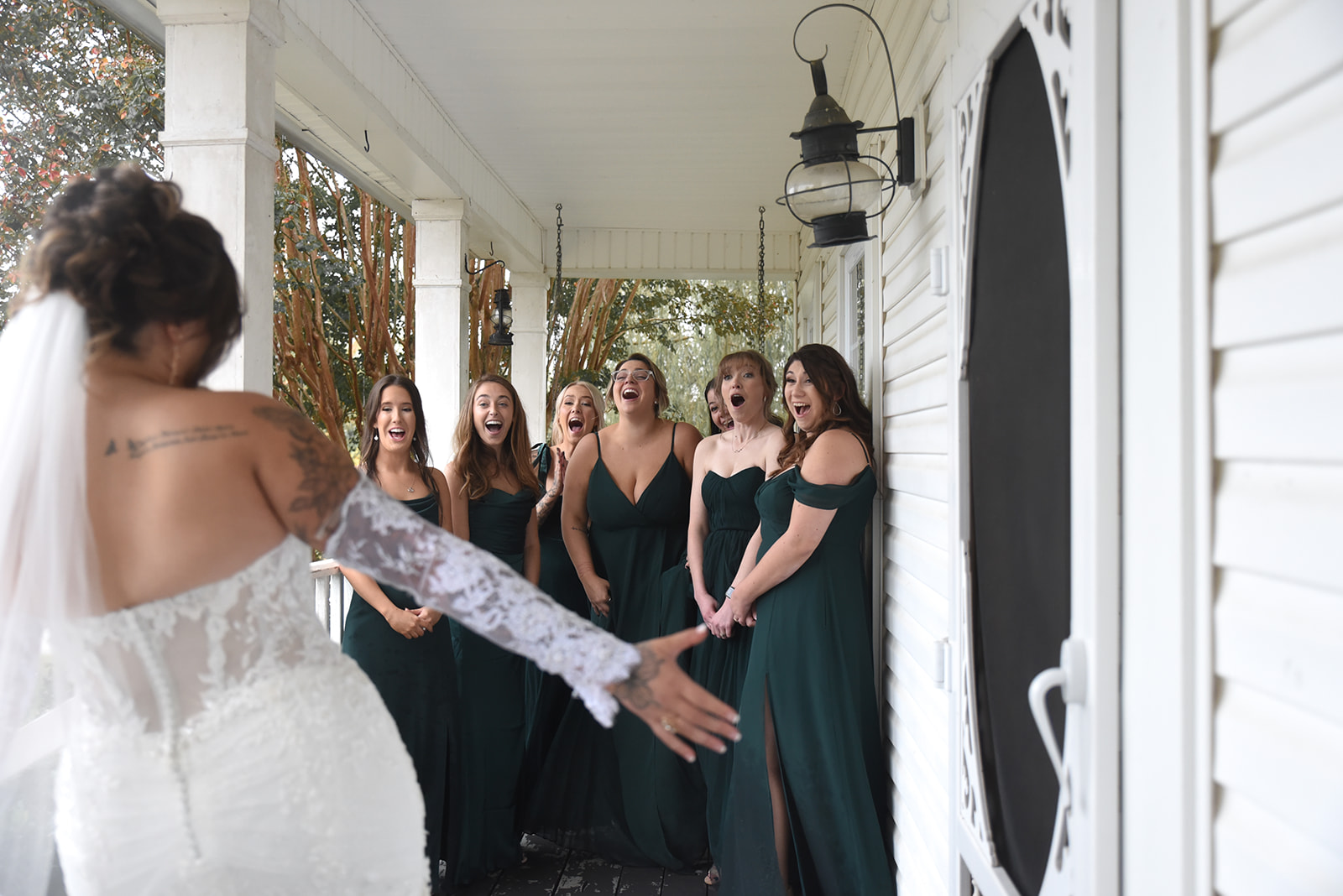
If you’re considering the Resaca area for your wedding, the practical planning notes are fairly simple. Private farm venues along the river corridor are the primary option for couples wanting the full landscape — these are typically negotiated directly with landowners, and a photographer with regional connections can be genuinely helpful in facilitating those conversations. The Gordon County area around Resaca has enough agricultural land that these opportunities are more accessible than in more developed counties, and many landowners who have never thought of their property as a wedding venue are open to the idea when approached respectfully and with a clear vision. For couples wanting more formal infrastructure, venues in nearby Calhoun — about five miles north — can serve as the primary event space while portrait sessions are done in the Resaca landscape. This combination is one I’ve used effectively and would recommend to couples who want the look of the rural river country without the logistical complexity of a farm wedding from scratch.
I grew up near here, and I know the Gordon County landscape the way you know the back of your hand — not just where it’s beautiful, but where it’s beautiful at 5 p.m. in October, or where the morning fog sits in the river bend, or which stretch of road has the most interesting tree line for silhouettes. That knowledge is built from years of working in this specific geography, and it’s one of the things I bring to a Resaca wedding that a photographer who travels from Atlanta for the day simply cannot replicate. The small towns deliver big moments when a photographer knows exactly where to stand.
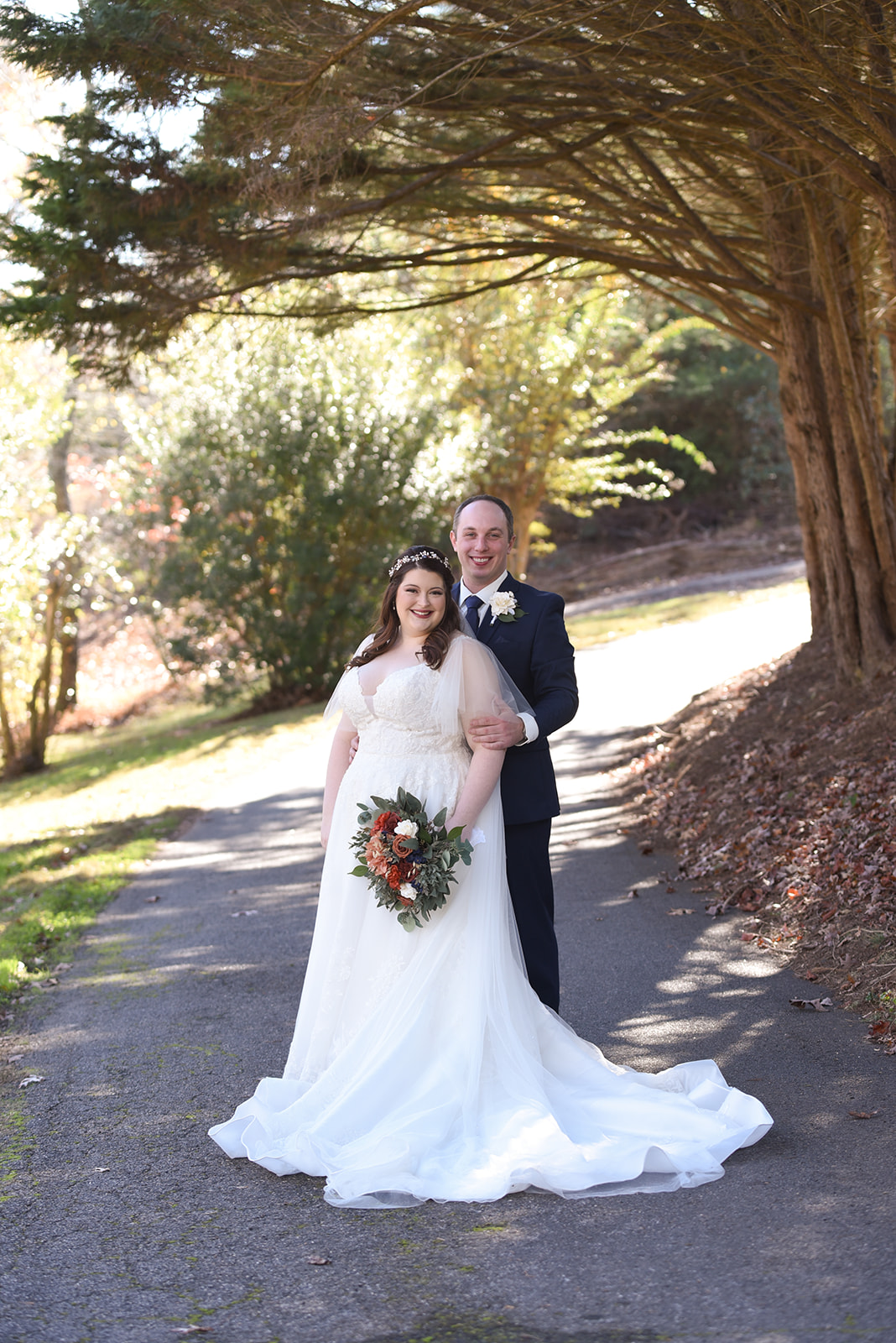
Resaca asks nothing of you except that you pay attention. Pay attention to the light on the river. Pay attention to the field grass in the afternoon breeze. Pay attention to the people around you who have known each other their whole lives. If you do those things, and if you have a photographer beside you who is paying the same quality of attention — the photographs will take care of themselves.
Tiffany Greeson Photography serves couples, families, and newborns throughout Northwest Georgia and the greater Southeast, including Resaca and surrounding communities of Calhoun, Rome, Cartersville, Dalton, Canton, Chattanooga (TN), Blue Ridge, Dahlonega, and beyond. Available for destination weddings throughout the Southeast and nationwide.
Ready to have your wedding photographed?
Send your date, venue, and a little about your day. I’ll come back with availability and next steps — usually within 24–48 hours.
Begin Your Inquiry