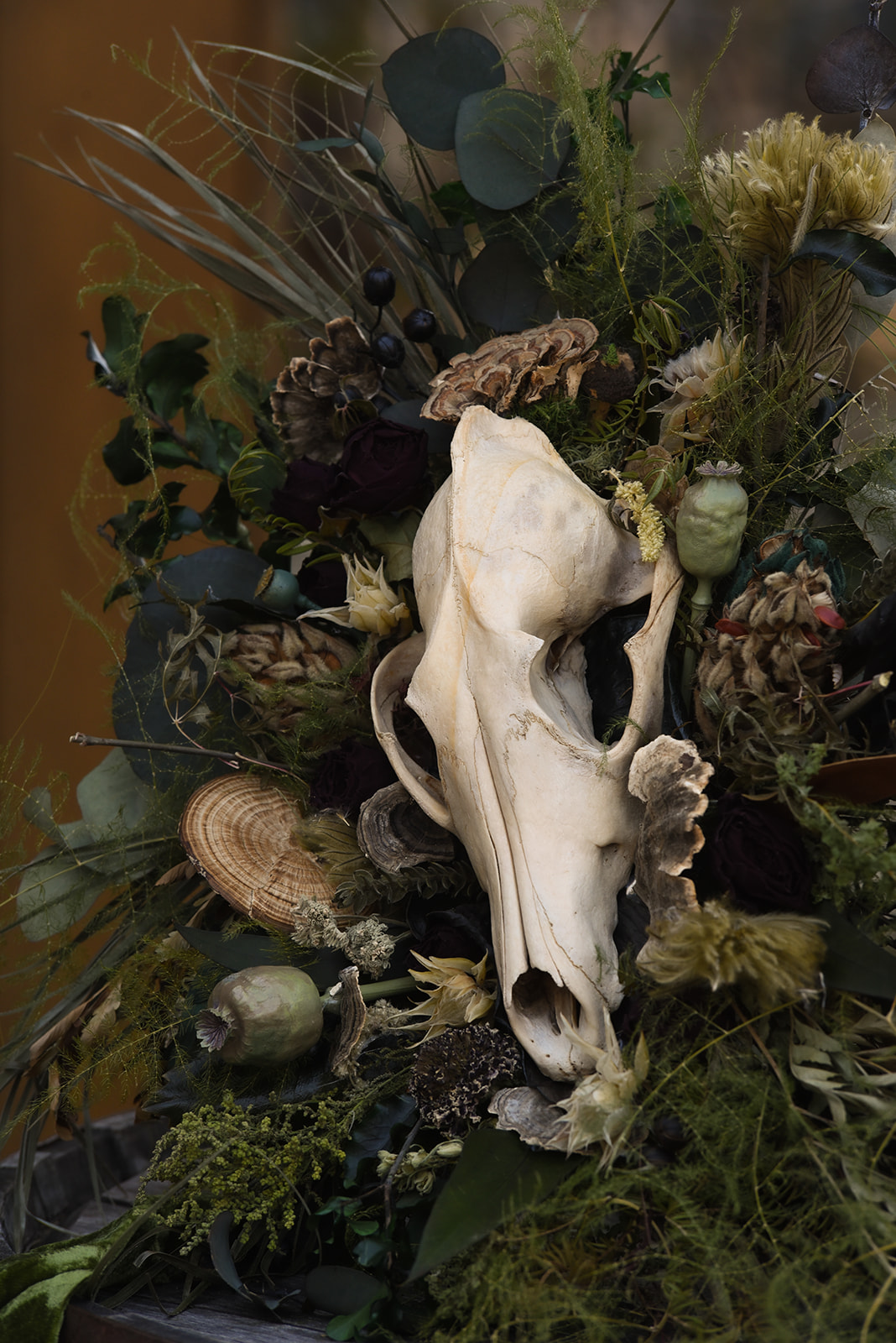
How the Light in Chatsworth, GA Makes Afternoon Wedding Portraits Extraordinary
There’s a particular quality of light that settles into the valley between Chatsworth and Fort Mountain on late September afternoons that I have no better word for than generous. It fills from the west, catches the ridgeline behind you, and turns everything within it into something worth photographing.
Murray County sits in a valley corridor formed by two distinct ridge systems — Fort Mountain to the east and the Cohutta Wilderness ridges to the west and north. Chatsworth, the county seat, occupies the floor of that valley in a way that makes it one of the most photographically interesting towns in all of northwest Georgia. The Chief Vann House, the preserved 1804 Cherokee mansion on Georgia 225, stands as one of the most architecturally significant historic sites in the state. Carter’s Lake, the deepest lake in the Eastern United States, sits to the southeast. And the open pastoral farmland between those ridges — actual working agricultural land with hay bales and weathered barns and hedgerows of cedar — creates a portrait backdrop that photographers spend careers trying to find artificially. In Chatsworth, it’s just what the land looks like.
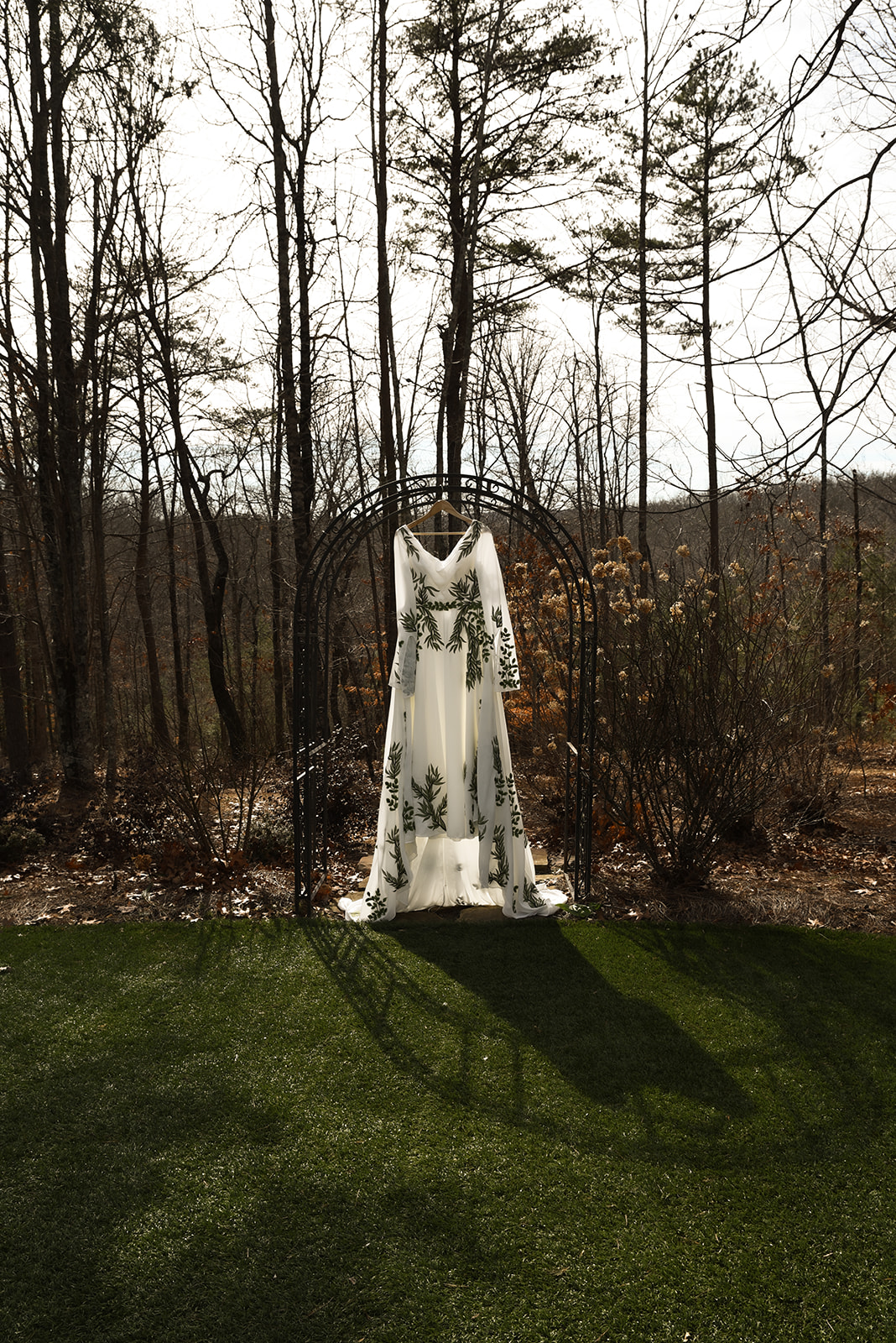
The Valley Effect — Why Murray County Light Is Different
Photography in mountain valleys operates differently from photography on open plains or in urban environments because the surrounding topography acts as a light modifier on a massive scale. In a flat landscape, the sun drops to the horizon and the light goes harsh and then dark. In the Murray County valley, the ridges to the east block the direct morning sun until mid-morning, which means the early light arrives diffused and warm rather than harsh. In the afternoon, the western ridge line catches the setting sun and reflects it back into the valley as a broad, even, golden illumination that can last forty-five minutes to an hour past the time when the direct sun has moved. That extended warm light window is what makes afternoon portrait sessions in Chatsworth consistently extraordinary. The physics of the valley create a natural softbox that studio photographers would charge a significant rental fee to replicate.
Carter’s Lake adds a secondary light quality for couples who position portraits near its shoreline. Like Lake Lanier but with more dramatic surrounding topography, the lake reflects the western sky in the afternoon in a way that creates fill light from below — it softens shadows under the chin and in the eyes in a way that makes portraits look lit when they’re not. The combination of reflected sky light from the water surface and the valley’s diffused golden-hour illumination creates portraiture conditions that I genuinely look forward to every time I’m scheduled near Chatsworth. The light cooperates in ways that make my job easier and the images better.
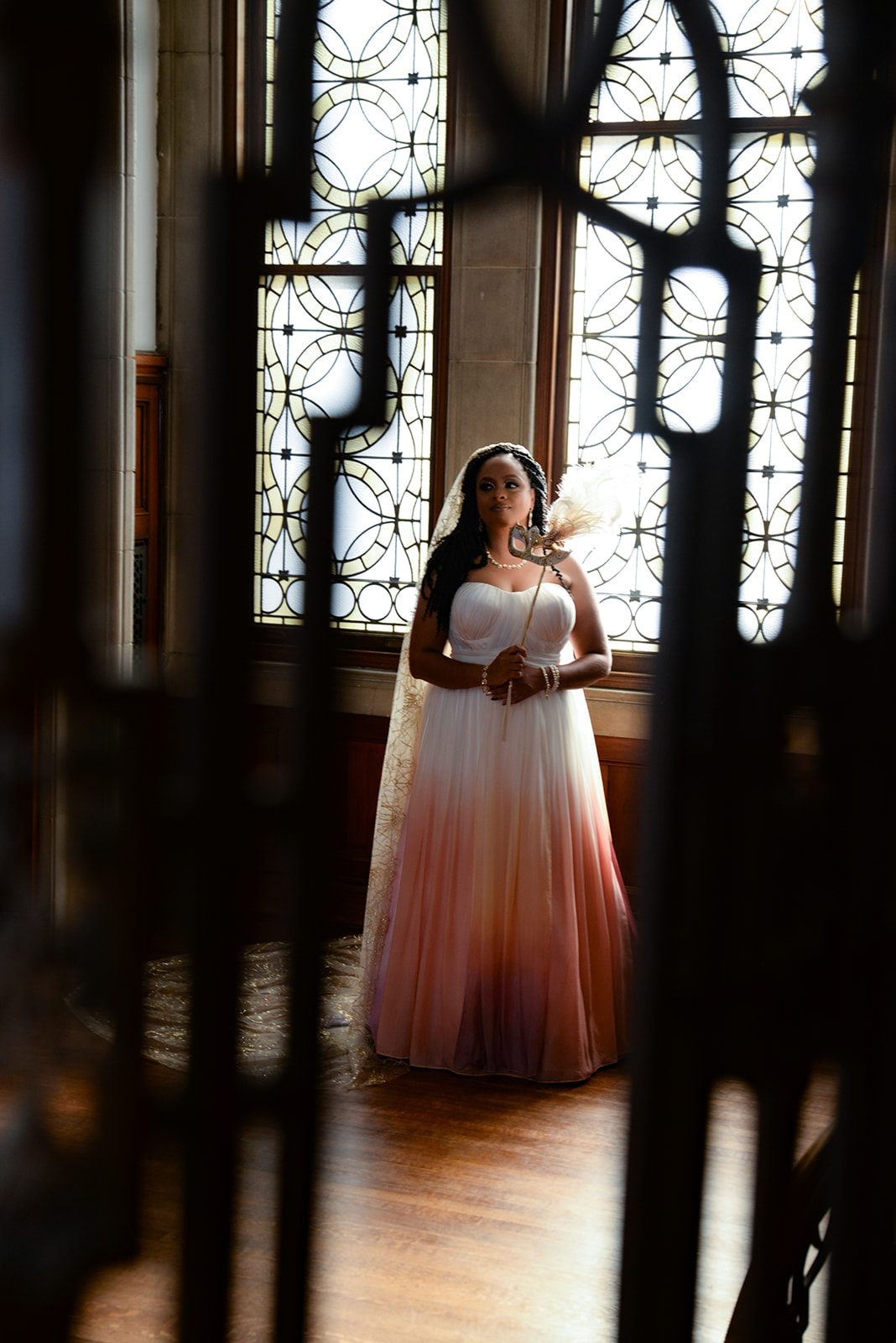
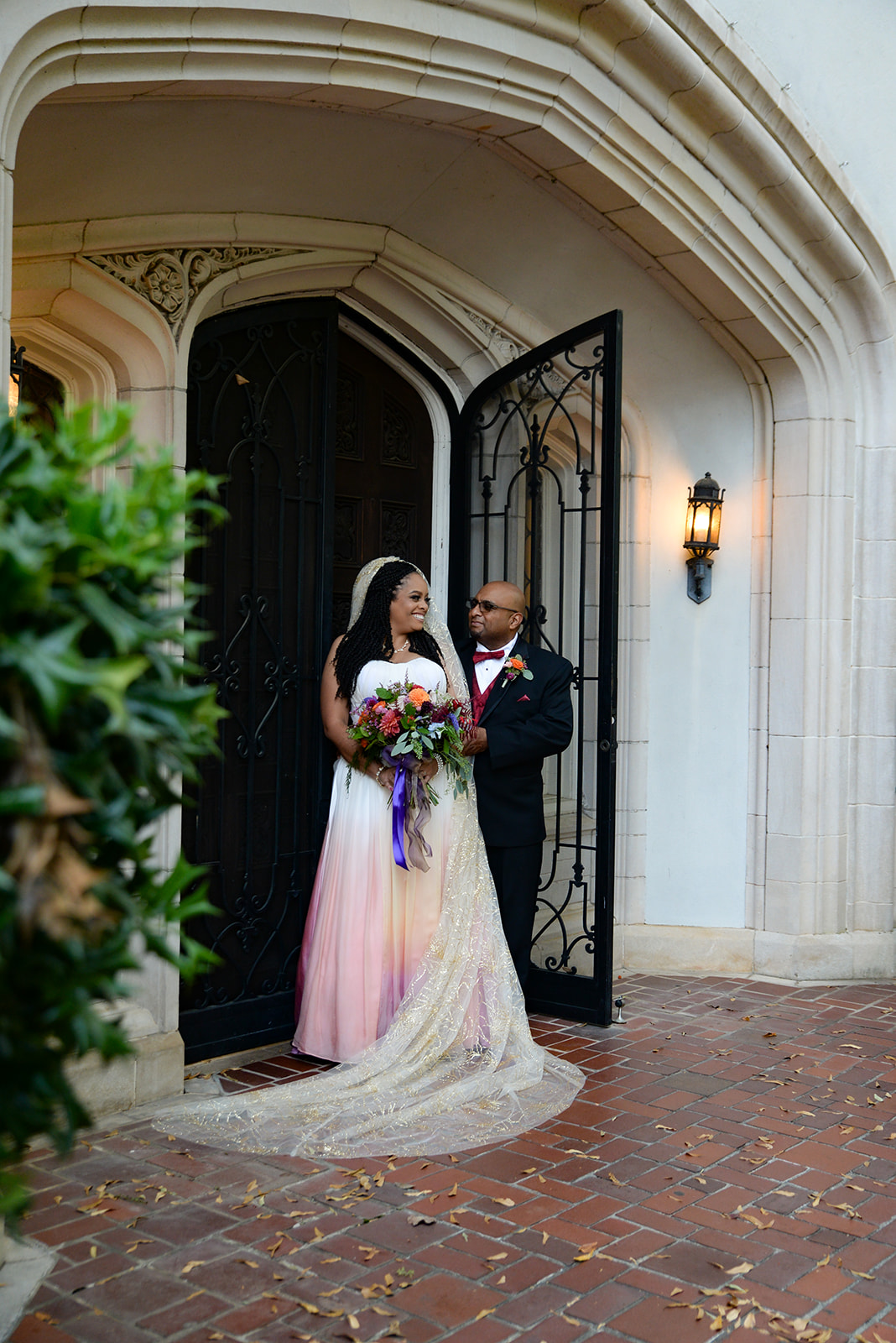
Working the Landscape — What Chatsworth Couples Have Available
The most remarkable thing about photographing in Murray County is the variety of portrait settings available within a small geographic area. The Chief Vann House grounds — the surrounding landscape of the oldest two-story brick house in the Cherokee Nation — offer architectural portraiture with historical gravitas that you can’t find anywhere else in the region. A portrait made against those grounds carries the weight of a specific place and time. Carter’s Lake’s quieter inlets and shorelines, accessible from various points around the reservoir, provide the water-and-sky combination that photographs so beautifully. The farmland in the valley floor — particularly the hay fields and pastures along Georgia 52 and the smaller county roads north of Chatsworth — provides wide-open pastoral settings where long shadows in the late afternoon create extraordinary depth and dimension in portraits that would be flat at noon.
The Cohutta Wilderness boundary begins less than twenty minutes north of Chatsworth, and while formal ceremonies inside national forest wilderness areas require permits and logistical planning, the scenic corridors approaching the wilderness — including the Jacks River area and the gravel forest roads through the hardwood canopy — make spectacular portrait locations for couples willing to venture a bit from the main venue. I’ve photographed session portraits in those forest corridors where the filtered canopy light was so even and warm that every frame was usable. The Appalachian hardwood forest in that zone is its own kind of photographic gift.
“In a valley ringed by ridges, the afternoon light doesn’t so much fall as it settles — warm and even, like it has nowhere else to be.”
I find that Chatsworth couples tend to understand their landscape intuitively in a way that couples from more suburban areas sometimes don’t. They’ve grown up watching the light change across Fort Mountain in the afternoons. They know the hay fields look different in August than in October. That local knowledge makes collaborative portrait planning easier — they know where the beautiful spots are before I arrive, and my job becomes reading those locations technically rather than discovering them from scratch. The combination of local knowledge and photographic preparation is what produces the strongest Chatsworth wedding galleries.
Timing Your Chatsworth Portraits for the Best Light
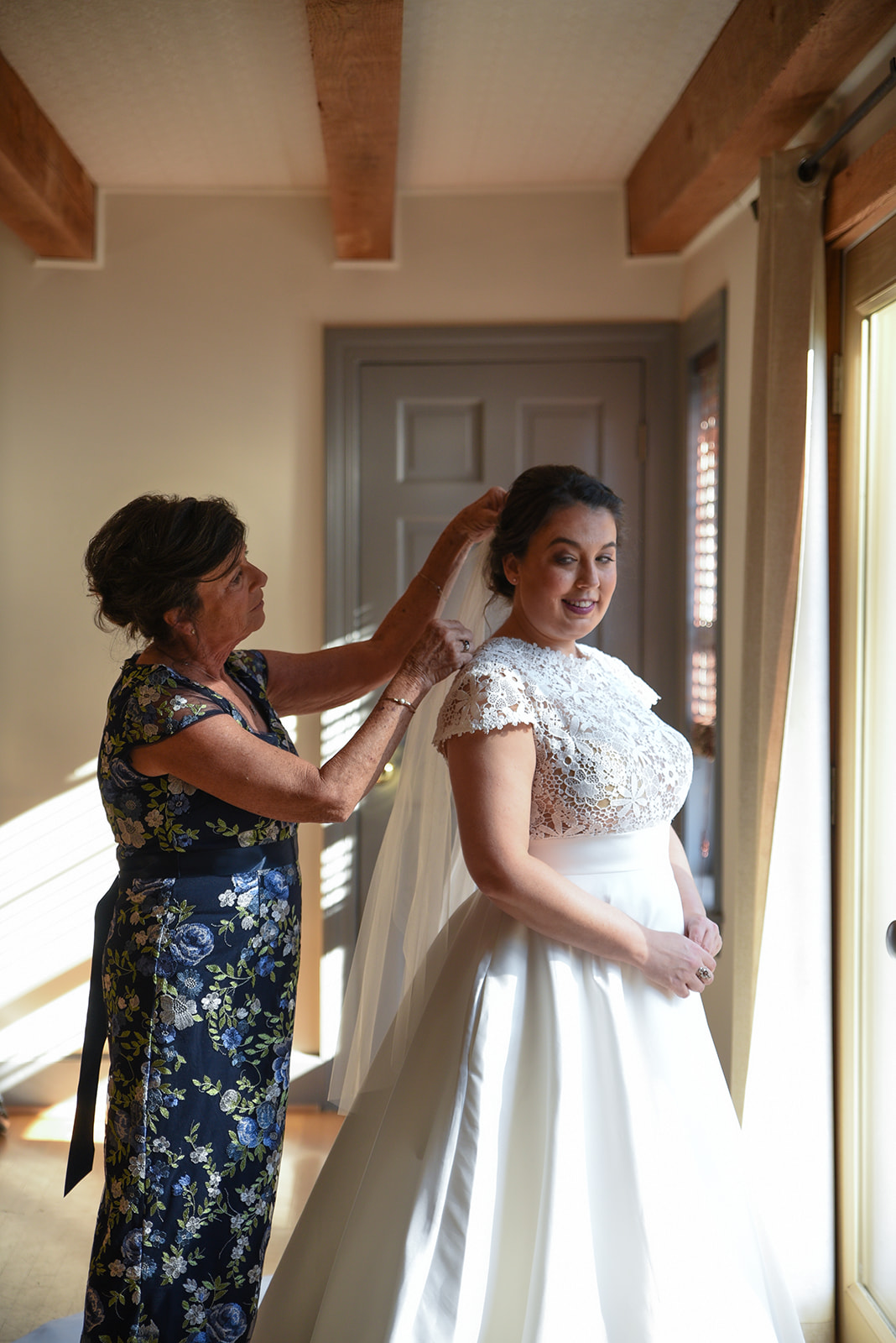
The practical recommendation for Chatsworth wedding portraits is simple: build your timeline around a portrait session that begins no earlier than two hours before sunset and runs until the light goes. In summer that means starting around 6:30 PM. In fall it means starting around 4:30 PM. In spring, somewhere in between. The valley light quality in those final hours is consistent enough that you almost can’t take a bad photograph if you’re positioned correctly and the couple is relaxed. The ridgelines guarantee a degree of light diffusion and the warm reflection from the western sky guarantees warmth in the color. Within those parameters, the location becomes less important than the couple’s presence in it.
What I’d caution against for Chatsworth weddings is scheduling the portrait session in the middle of the afternoon to accommodate an early dinner or cocktail hour. The midday light in the valley floor can be harsh during summer — open fields with no tree cover become unflattering at 2 PM in July regardless of the location’s inherent beauty. The valley’s light advantages are afternoon and evening advantages. Plan the day to access them, and your gallery will reflect the extraordinary landscape you chose to get married in.
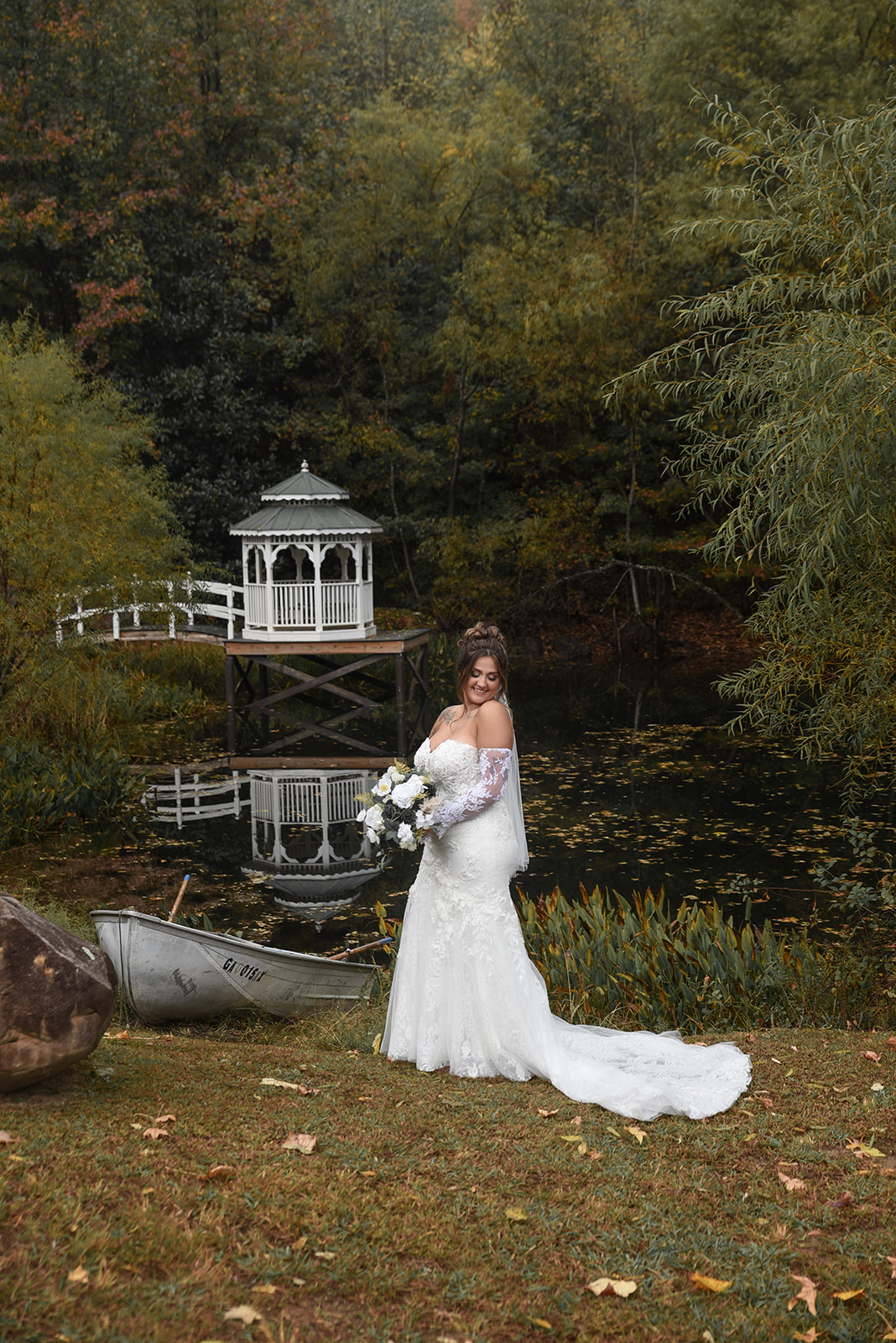
If you’re planning a wedding in Chatsworth or Murray County and want to talk through how to use the light and landscape to your advantage, reach out. The valley does extraordinary things in the afternoon. Let’s make sure your timeline gives you access to it.
Tiffany Greeson Photography serves couples, families, and newborns throughout Northwest Georgia and the greater Southeast, including Chatsworth and the surrounding communities of Calhoun, Rome, Cartersville, Dalton, Canton, Chattanooga (TN), Blue Ridge, Dahlonega, and beyond. Available for destination weddings throughout the Southeast and nationwide.
Ready to have your wedding photographed?
Send your date, venue, and a little about your day. I’ll come back with availability and next steps — usually within 24–48 hours.
Begin Your Inquiry