Cartersville, GA Wedding Day Timeline — The Hours That Make or Break Your Photos
A wedding day timeline is a photography document as much as it’s a logistics document. The hours you allocate — and where you put them — determine whether your gallery is everything you hoped for or a collection of technically adequate images that somehow feel rushed.
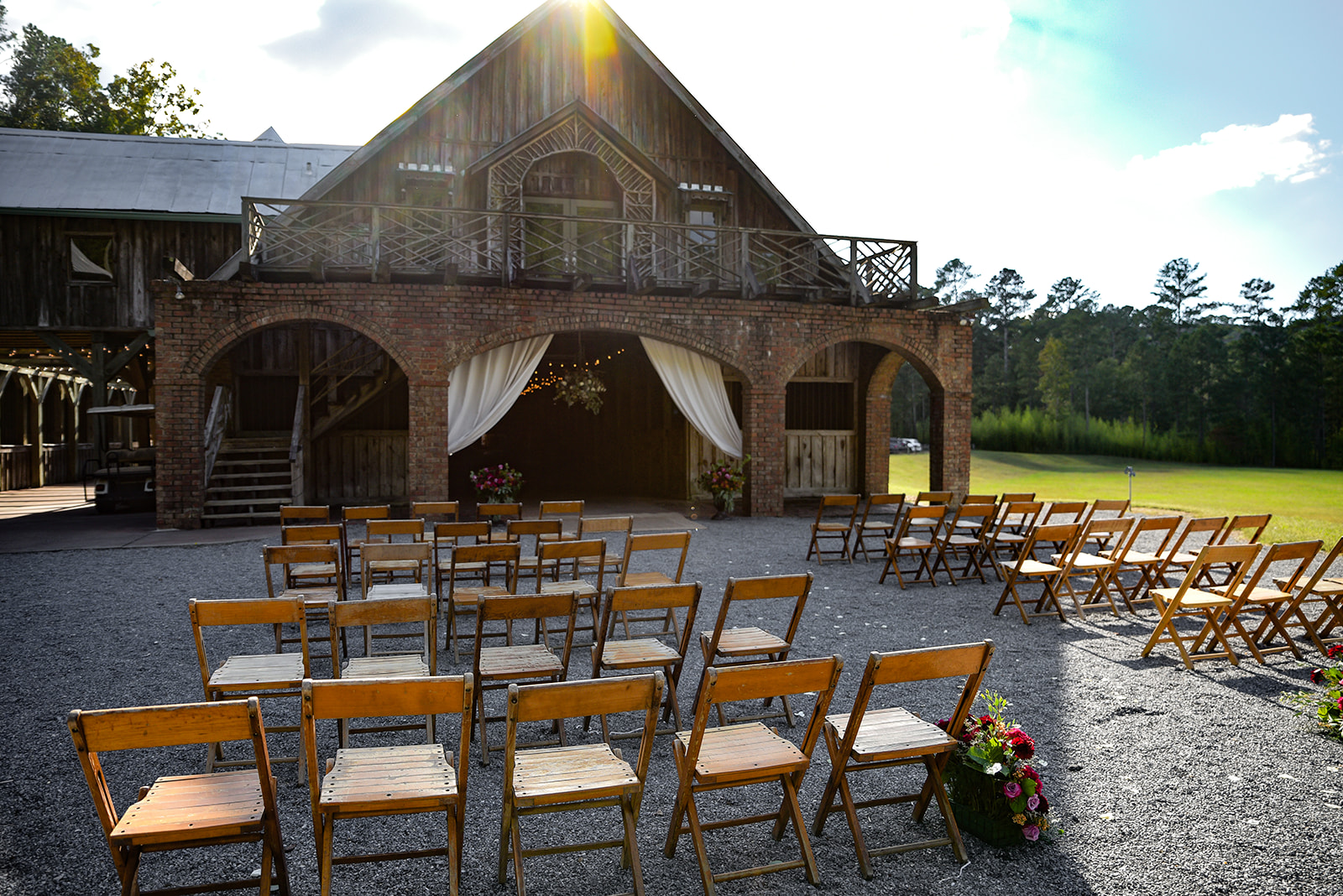
Cartersville is one of those Bartow County towns that rewards people who slow down enough to notice what they’re standing in. The historic courthouse square anchors the city with an architectural presence that most new-build event venues would spend a million dollars trying to replicate. The Etowah Indian Mounds — one of the most significant pre-Columbian archaeological sites east of the Mississippi — sit just south of town, their terraced silhouettes visible against the Georgia sky in a way that conveys deep time. The Booth Western Art Museum on Museum Drive has exhibition spaces with natural light and gallery-quality architecture. And the farmland and creek corridors extending into the rural parts of Bartow County provide outdoor ceremony options with genuine Georgia countryside character. All of that is available to couples who get married in Cartersville — but only if the timeline leaves room to use it.
The Getting-Ready Hours — Why They Matter More Than You Think
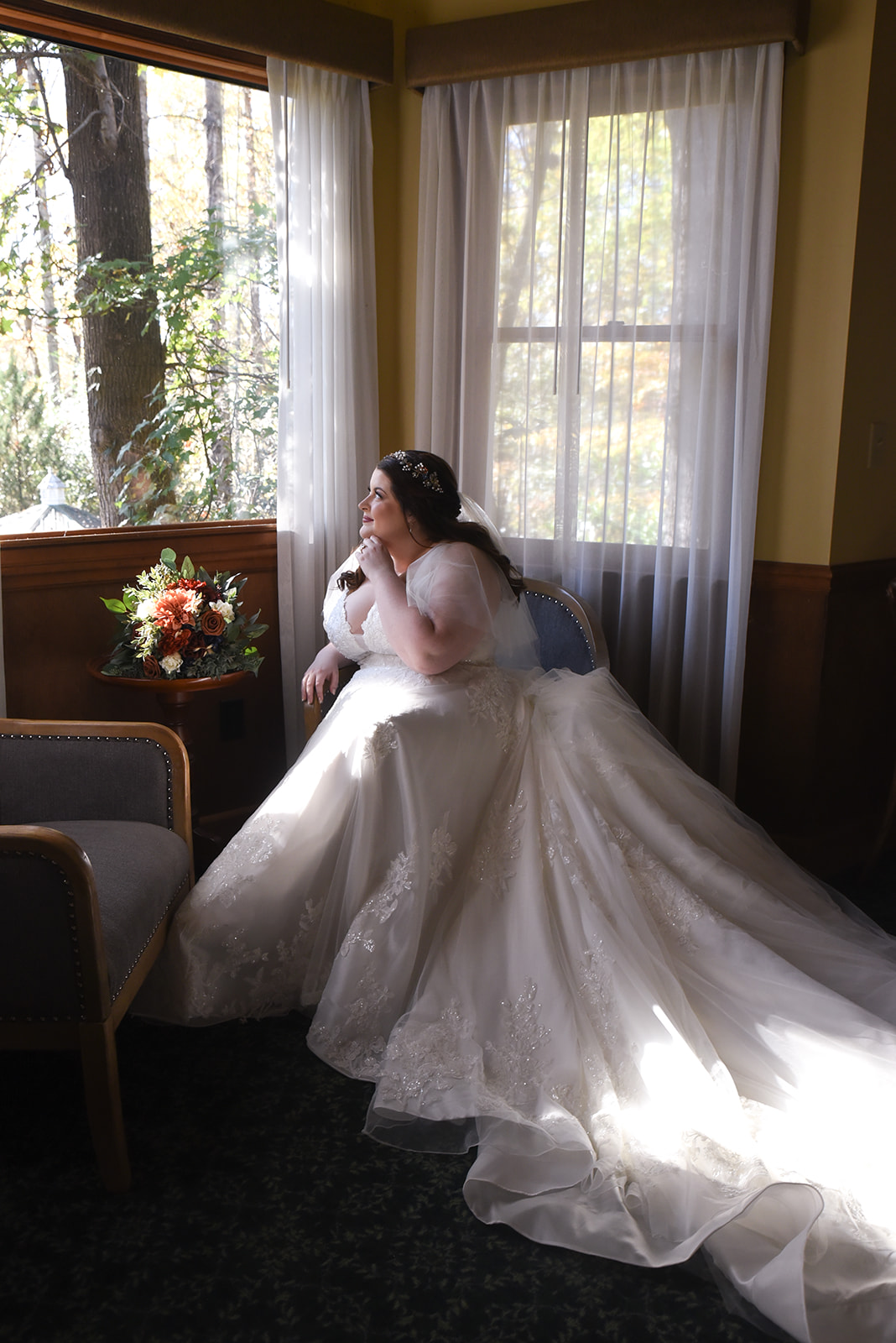
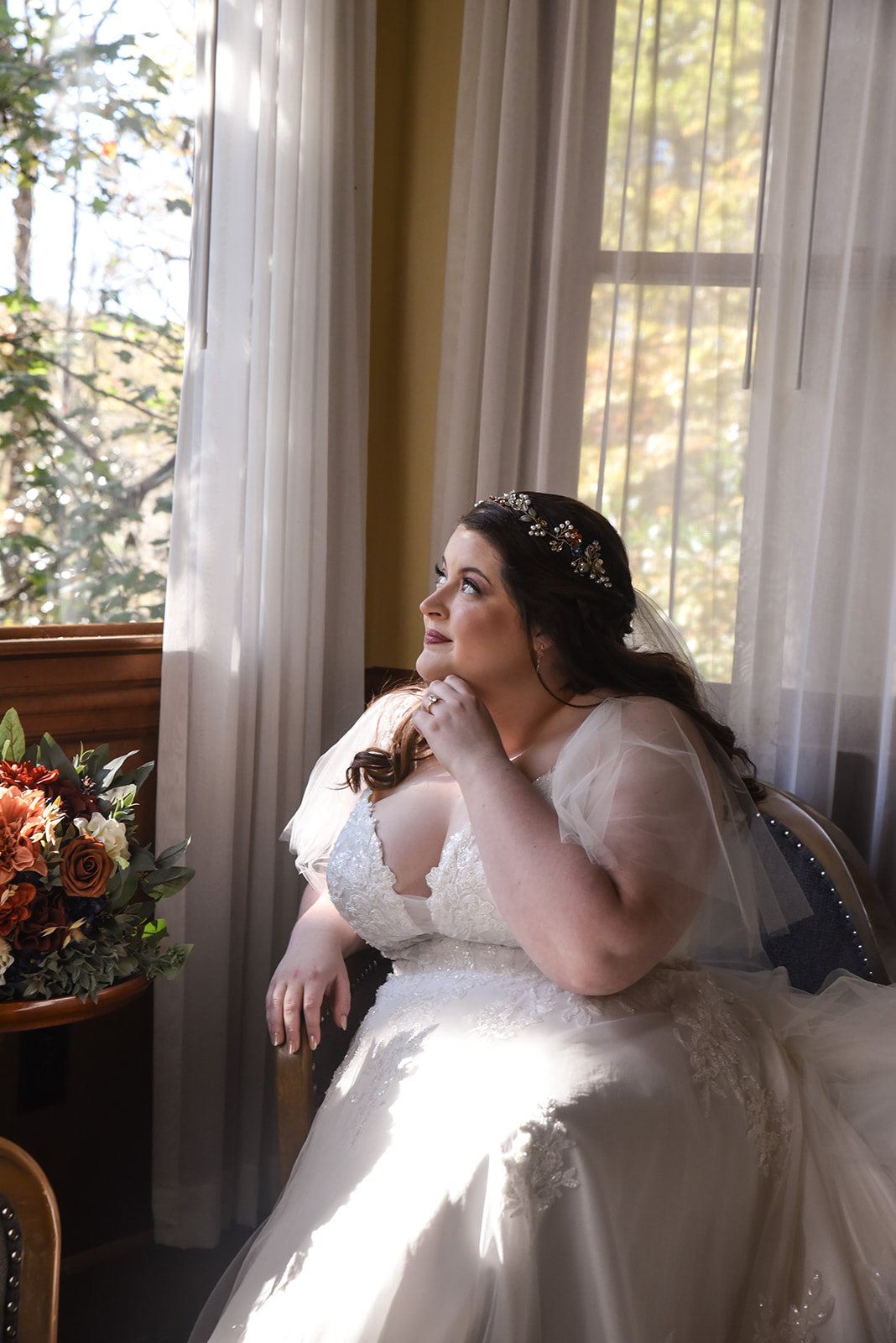
Most couples allocate getting-ready time based on how long they think hair and makeup will take. That’s a reasonable starting point, but from a photography standpoint, getting-ready coverage is where many of the most emotionally resonant images of the day are made. The quiet moments — a mother fastening a necklace, a father seeing his daughter for the first time, a bride sitting still for two minutes before the ceremony begins — happen in the preparation space, not on the dance floor. These aren’t staged images. They happen naturally when there’s enough time in the schedule that nobody is rushing, and when I have enough access and light in the room to be present without being intrusive.
For Cartersville weddings, getting-ready light is often the deciding factor in preparation image quality. Getting-ready spaces in older venue buildings — like the heritage properties around the downtown square — often have large windows that face north or east, which means they’re flooded with even, diffuse light in the morning. That’s ideal for detail shots and candid preparation coverage. Modern event spaces with interior changing rooms and no natural light require off-camera flash work, which I can handle well, but which fundamentally changes the look of those images. When you’re touring venues in Bartow County, ask to see the bridal suite and note which way the windows face. It’s one of the most practical pre-photography decisions you can make.
The Portrait Window — Where the Timeline Either Works or Fails
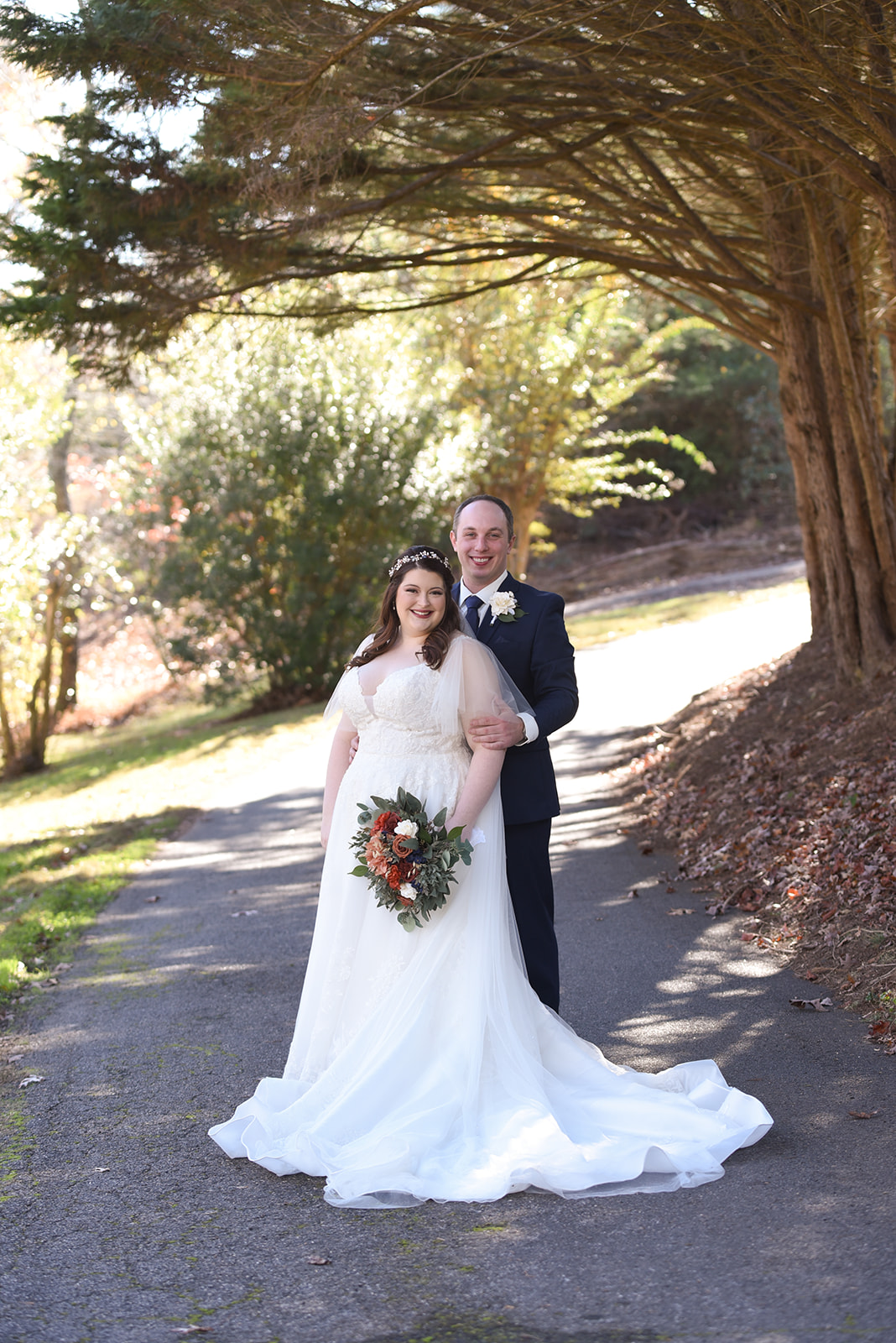
The single most important block of time in any wedding day timeline is the portrait window — the dedicated period after the ceremony and before the reception when the couple takes portraits together. Most couples plan thirty to forty-five minutes for this. I recommend sixty to seventy-five, and I’ll tell you exactly why. Cartersville and the surrounding Bartow County area give you real portrait location options that require some movement between them. The historic courthouse area, the creek corridors on the venue property, the farm fields that open up at the edge of town — each of those locations requires a few minutes of travel and a few minutes of settling into the space before the portraits feel natural. With forty-five minutes total, you realistically have one location, about twenty portraits, and no margin for a moment that takes longer to develop than expected. With seventy-five minutes, you have two or three locations, room for the couple to actually relax and connect, and a collection of images that look like they were made somewhere specific rather than staged against the nearest available wall.
The other factor that most timelines underestimate is the light transition. In Cartersville, particularly at the Etowah River corridor and the farm properties east of downtown, late-afternoon light shifts significantly in the forty-five minutes before sunset. A portrait session that starts at 5:15 PM and ends at 6:15 PM in October covers the transition from warm directional light to the orange-gold quality that makes north Georgia outdoor portraits extraordinary. A session that starts at 3 PM because cocktail hour was scheduled early misses that window entirely. Wherever possible, I advocate for pushing the ceremony earlier and the portrait session later — protecting that golden-hour window is the single most impactful timeline decision most couples can make.
“Thirty extra minutes in the right light will do more for your wedding gallery than any other investment you make in photography.”
I’ve photographed weddings throughout Bartow County for years, and the galleries I’m proudest of came from days where the timeline gave us room. Room for the first look to breathe. Room for the family formals to flow without rushing. Room for the couple portraits to find their way into something real rather than posed. Timeline construction is genuinely collaborative work — I’ll build one with you during planning so that the photography priorities are accounted for alongside everything else the day requires. If you’re already working with a Cartersville venue coordinator, bring me into that conversation early. The best outcomes come from everyone building toward the same hours.
The Reception Timeline — What Happens After Dark
Evening reception photography is a different technical challenge than outdoor portraiture, and the timeline directly controls how that challenge resolves. The first dance, the toasts, the cake cutting, the parent dances — these are the milestones that most photographers need to be positioned for in advance. When those events stack up without breathing room between them, I’m running between positions and the images suffer. When there’s five minutes between each milestone, I can anticipate, move, and be set up for each moment before it happens. A well-spaced reception timeline produces documentary coverage that unfolds naturally. A rushed one produces a lot of technically adequate images of the back of people’s heads as I’m arriving late.
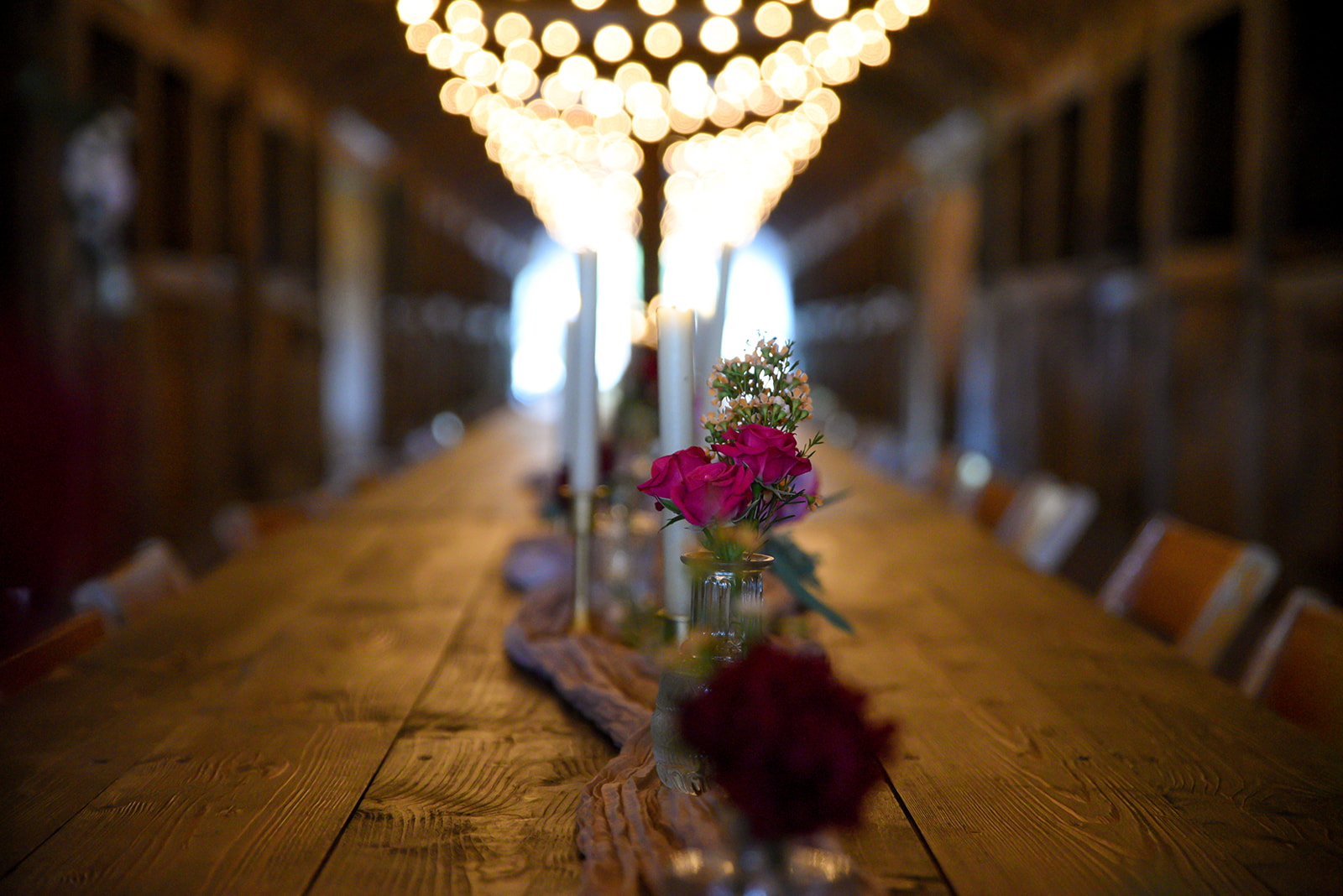
For Cartersville couples specifically, one reception detail worth noting: if your venue uses the historic downtown area or any of the older commercial buildings in Bartow County, the ambient light after dark is often beautiful. String lights over a courtyard, candles on tables inside a high-ceilinged heritage building — those environments photograph with warmth and character that modern event centers with fluorescent uplighting can’t replicate. If your venue has that kind of light, let it do the work. I’ll bring supplemental flash for the key moments and use the ambient for everything in between.
If you’re planning a wedding in Cartersville and want to build a timeline that protects the photography without sacrificing the flow of the day, I’m glad to help. It’s a conversation that’s worth having early — before the venue contract is signed and the ceremony time is locked in. The hours you protect now are the photographs you’ll have for the rest of your life.
Tiffany Greeson Photography serves couples, families, and newborns throughout Northwest Georgia and the greater Southeast, including Cartersville and the surrounding communities of Calhoun, Rome, Dalton, Canton, Chattanooga (TN), Blue Ridge, Dahlonega, and beyond. Available for destination weddings throughout the Southeast and nationwide.
Ready to have your wedding photographed?
Send your date, venue, and a little about your day. I’ll come back with availability and next steps — usually within 24–48 hours.
Begin Your Inquiry