Chickamauga, GA Wedding Photography — How History Makes a Backdrop Like Nowhere Else
Some places hold their history not in museums or monuments, but in the land itself — in the particular silence of old-growth trees, in the weight of soil that has not been turned for over a century and a half. Chickamauga is one of those places, and it photographs unlike anywhere else I’ve worked.
The town of Chickamauga sits in Walker County just south of LaFayette, and its name belongs to one of the most significant — and bloodiest — battles of the American Civil War. In September 1863, the Union and Confederate armies fought for two days across the fields and forests south of town, and when it was over, nearly 35,000 men had been killed, wounded, or captured. The Chickamauga and Chattanooga National Military Park, established in 1890 as the nation’s first military park, now preserves that ground in extraordinary fidelity. The old-growth forest within the park — trees that were already standing when the battle was fought — has never been logged. The open fields remain open. The cannon placements sit exactly where they were positioned 160 years ago. There is a specific kind of stillness in a landscape that has been protected from development for that long, and it is a quality that transfers directly into photographs. I’ve worked in a lot of beautiful places in Northwest Georgia. I’ve shot weddings on mountain farms and vineyard terraces and lakeside properties. But something about the Chickamauga park environment produces images with a weight and a depth that I find hard to replicate anywhere else. It is not a somber quality — it’s simply a seriousness, a sense that the place is ancient and that a moment documented here carries that ancientness with it.
The Gordon-Lee Mansion and Chickamauga’s Historic Venue Scene
The Gordon-Lee Mansion is the anchor of wedding photography in the Chickamauga area, and rightly so. Built in 1847 and used as Union headquarters and a hospital during the Battle of Chickamauga, the mansion is one of the best-preserved antebellum properties in Northwest Georgia. The main house’s white-columned facade, the mature oaks on the grounds, and the view across the lawn toward the hills create a portrait environment of real distinction. I’ve photographed couples here in multiple seasons and at multiple times of day, and the property consistently delivers — not just the mansion itself, but the interplay between the formal architecture and the wild landscape at the edges of the grounds, where the manicured gives way to the overgrown and the border between the two is where the most interesting photographs tend to happen. A bride standing just at the edge of the lawn where the field grass begins, with the mansion columns behind her and the hill trees rising in the distance — that image has a tension and a beauty that neither the mansion alone nor the field alone could produce. Chickamauga’s venue landscape extends beyond the Gordon-Lee Mansion, though that property is the one with the most immediate historical drama. The broader area has private farm properties and rural estates that carry the same quiet authority of well-tended Walker County land, and for couples who want the intimacy of a family farm rather than a historic house wedding, those options are worth exploring with a photographer who knows the region.
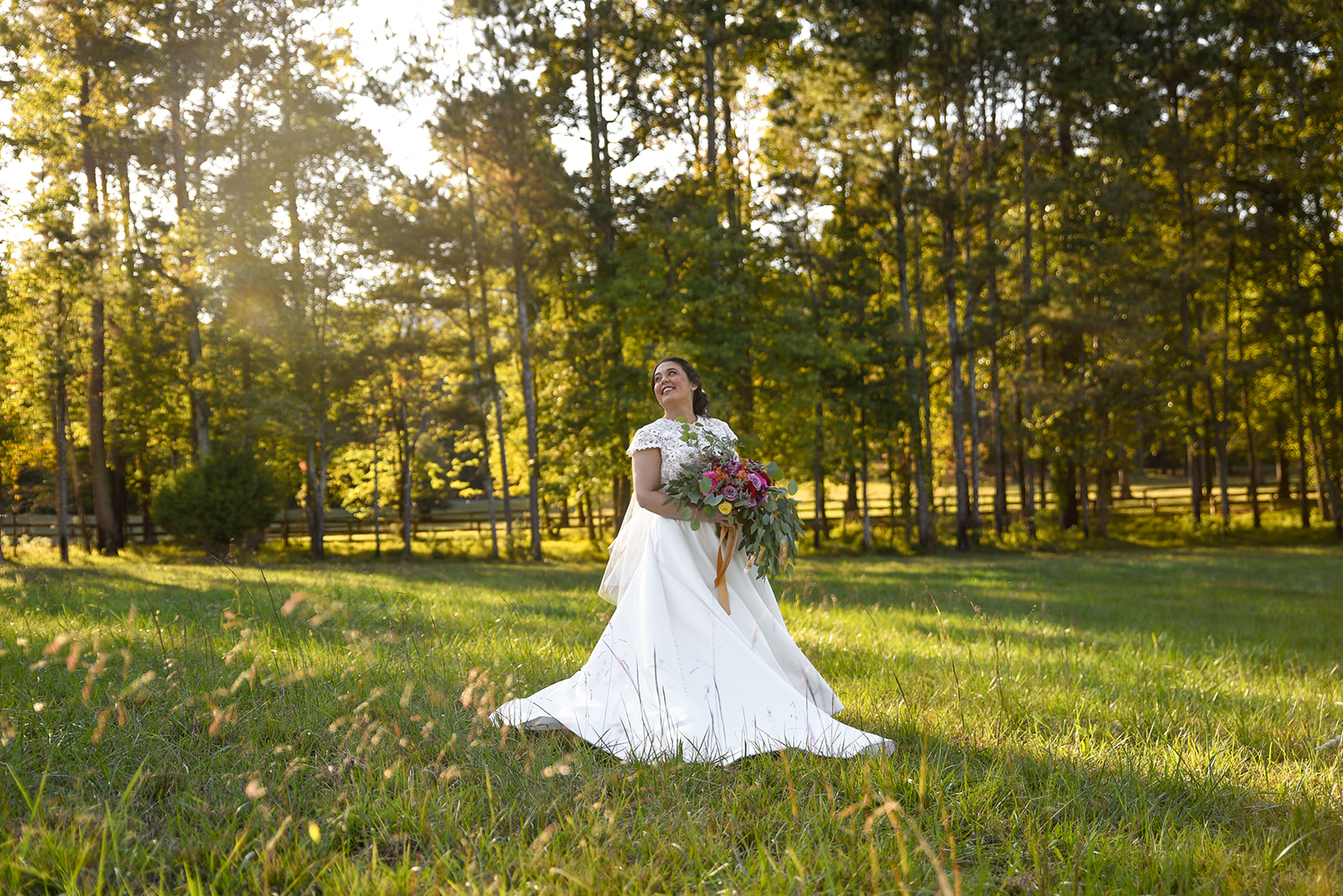
What I find myself thinking about most when I prepare for a Chickamauga wedding is the light through the park’s old-growth canopy. The trees in the battlefield — particularly along the interior roads near the Brotherton Cabin and the Winfrey Field area — are tall enough and dense enough that on a clear afternoon, the light filters down in shafts that you genuinely cannot reproduce with artificial lighting. The forest floor is open enough beneath them that you can move through the landscape freely. I’ve used these locations during portrait sessions when the couple’s venue is nearby, and the resulting images have a luminous, almost painterly quality that catches people off guard when they see their gallery. It looks like somewhere in Bavaria. It looks like a film still. It looks, actually, exactly like Chickamauga on a good afternoon in October, and that specificity is the whole point.
Photographing the Battlefield as Background
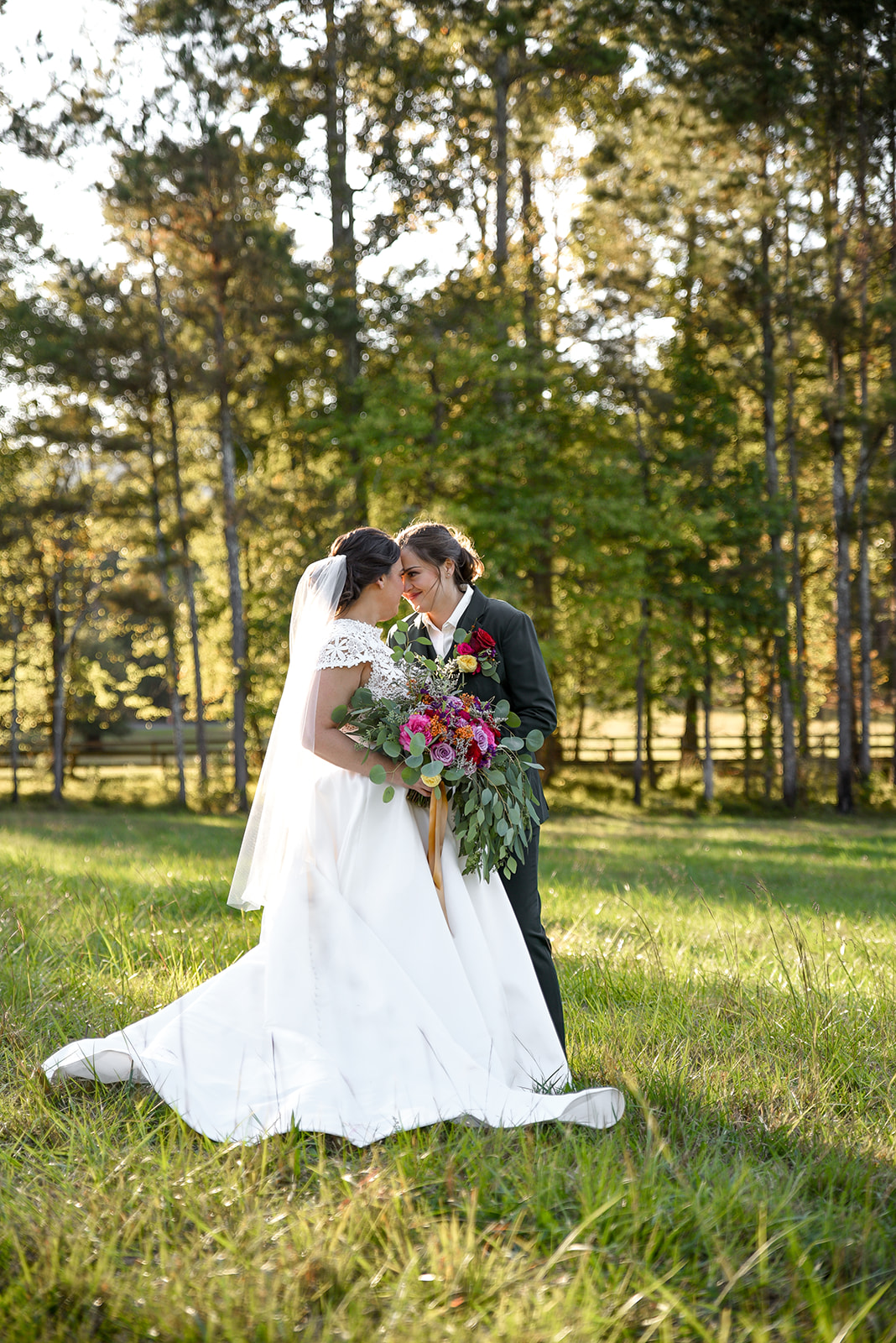
I want to be specific about how I use the battlefield environment in wedding photography, because I think it’s sometimes misunderstood. The goal is never to make the history the subject of the photograph — the couple is always the subject. What the history provides is a context and a quality of place that gives the images resonance without effort. Standing in the battlefield forest with a couple during their portrait session, I’m looking for the same things I look for everywhere: the quality of light, the relationship between the subjects and the background, the emotional moment. It’s just that the background here has a particular gravitas that requires less work to activate. The cannon sitting in a clearing 40 yards behind a couple doesn’t say “Civil War” in the photograph — it says “this is a serious and beautiful place.” The 160-year-old oak tree doesn’t say “history” — it says “permanence.” And permanence, photographed on a wedding day, says something very specific about the commitment being made. I find this visual language works whether or not the couple has any particular interest in the Civil War. The landscape speaks for itself, and it speaks quietly and beautifully.
Spring in Chickamauga is worth its own mention. The park blooms with dogwood in early April, and the understory of the battlefield forest turns white and pink in a way that softens everything it touches. The contrast between the ancient hardwoods and the delicate flowering trees creates a portrait environment that is both powerful and tender. For couples considering a spring wedding in Walker County, I always encourage a drive through the park in early April before they finalize their venue choice. The landscape will either speak to them or it won’t, but I’ve seen it change minds more than once. Couples who were looking at mountain venues further north have visited Chickamauga in spring and called me the next day to say they knew where they were getting married.
“The 160-year-old oak doesn’t say ‘history’ — it says ‘permanence,’ and permanence, photographed on a wedding day, says something very specific about the commitment being made.”
Chickamauga as a town itself is modest and unpretentious — a small community of a few thousand people who live alongside one of the country’s great natural and historical treasures with the ease of long familiarity. The town square is quiet, the surrounding county roads are lightly traveled, and the general pace of life has a deliberateness that feels restorative when you’ve spent too much time in larger cities. Weddings here tend to reflect that character. They’re not trying to be the most elaborate event of the season. They’re trying to be true — to the place, to the people, and to the relationship at the center of the day. That’s the kind of wedding I photograph best, and Chickamauga seems to attract that kind of couple with remarkable consistency.
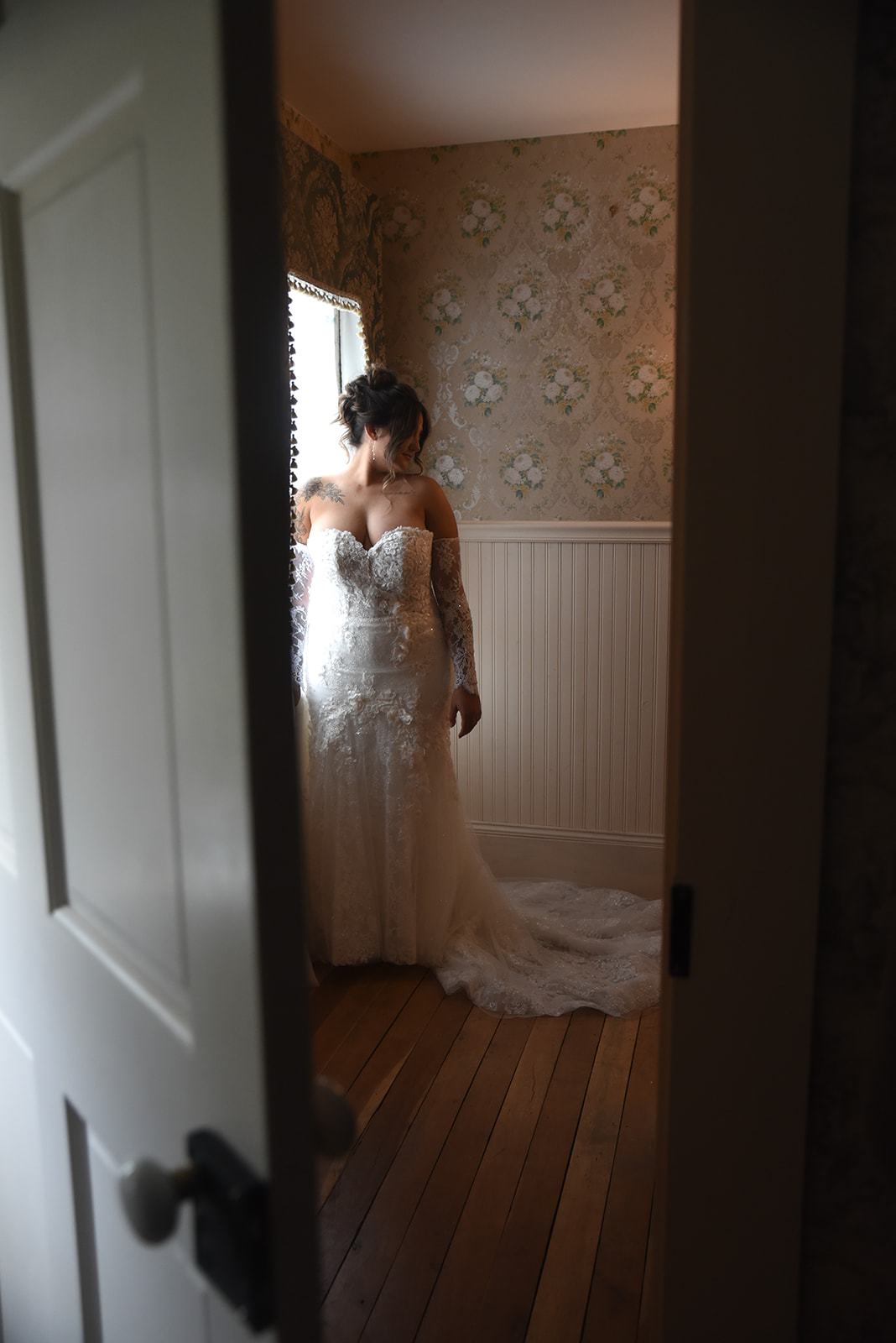
Practical Notes for Photographing in and Around Chickamauga
A few practical notes that are useful if you’re planning a wedding in this area. The national park is federal land, which means that commercial photography within the park requires a permit. If you want portrait sessions inside the battlefield during your wedding day, this needs to be arranged in advance — and it’s worth doing, because the permit is not difficult to obtain and the locations inside the park are worth the extra step. I’m familiar with the permit process and have used it multiple times; it’s one of those logistics questions I’m happy to walk couples through. The Gordon-Lee Mansion handles its own permits and arrangements for photography on its grounds, and the staff there have worked with photographers extensively. For private property venues in the surrounding Walker County area, the arrangements are typically more informal — but the same principle applies: knowing your photographer has worked in the area means these conversations have already been had, and you won’t encounter surprises on your wedding day. The drive from Chickamauga to Chattanooga is about 15 minutes, from LaFayette about 10. It’s well within the range of guests coming from Northeast Georgia, and the proximity to Chattanooga means it functions as a genuine destination venue for couples who want to offer their guests a weekend rather than just a day.
If there’s one thing I want couples considering Chickamauga to take away from this, it’s that the history is not a burden — it’s a gift. You don’t have to be interested in the Civil War to benefit from the forest that grew over a battlefield, or to have your portrait taken beneath a tree that has outlasted everything except the mountain it grows on. The place will do its work in the photographs regardless of what you know about it. All you have to do is show up, and let me find the light.
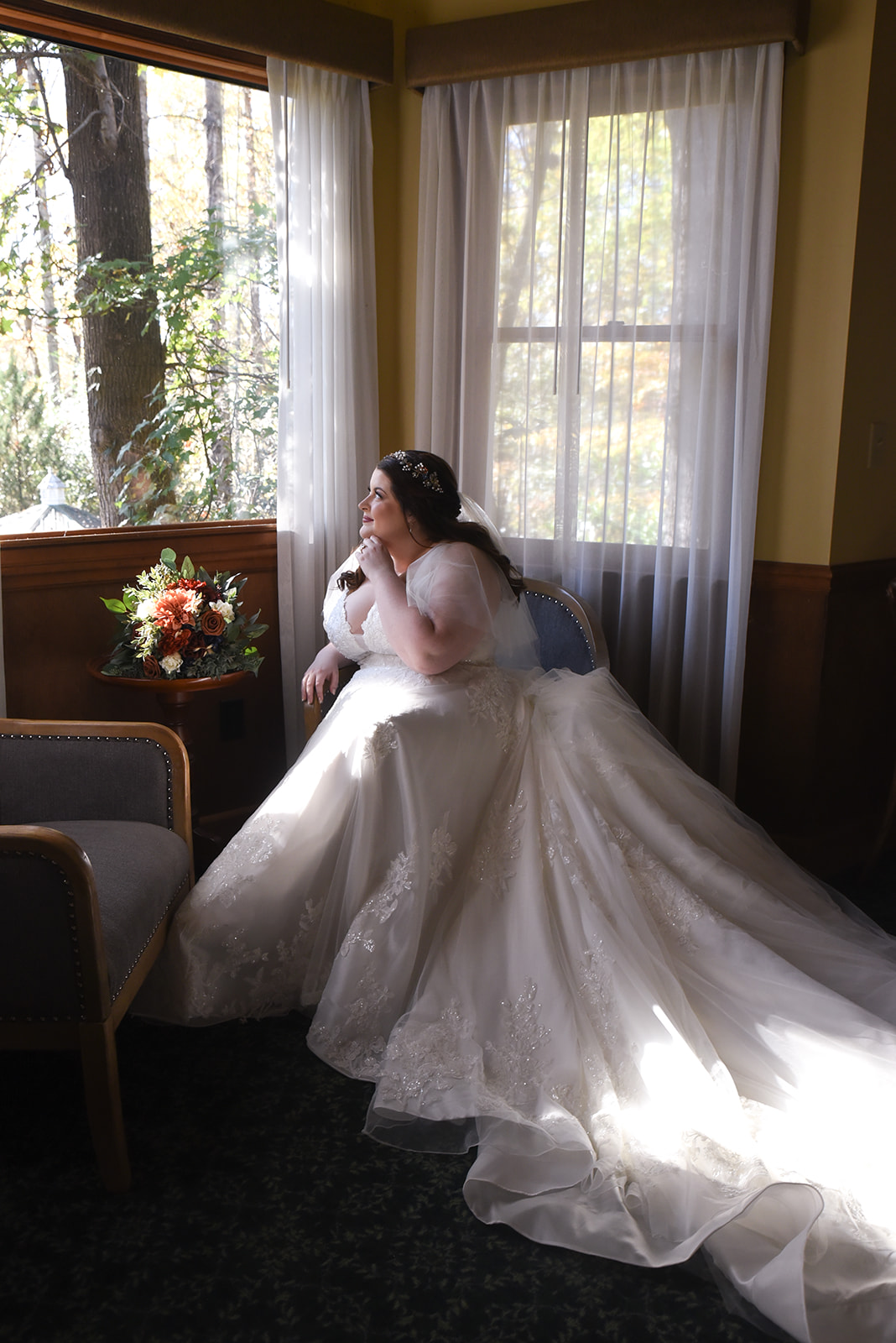
Chickamauga is one of my favorite places to work in all of Northwest Georgia, and the couples who marry here know, on some level, that they chose it for more than convenience. There is something this place does to photographs that I cannot fully explain in prose. Come see it for yourself, and bring someone you want to remember forever.
Tiffany Greeson Photography serves couples, families, and newborns throughout Northwest Georgia and the greater Southeast, including Chickamauga and surrounding communities of Calhoun, Rome, Cartersville, Dalton, Canton, Chattanooga (TN), Blue Ridge, Dahlonega, and beyond. Available for destination weddings throughout the Southeast and nationwide.
Ready to have your wedding photographed?
Send your date, venue, and a little about your day. I’ll come back with availability and next steps — usually within 24–48 hours.
Begin Your Inquiry